
Fire Protection for a City That Still Makes Things
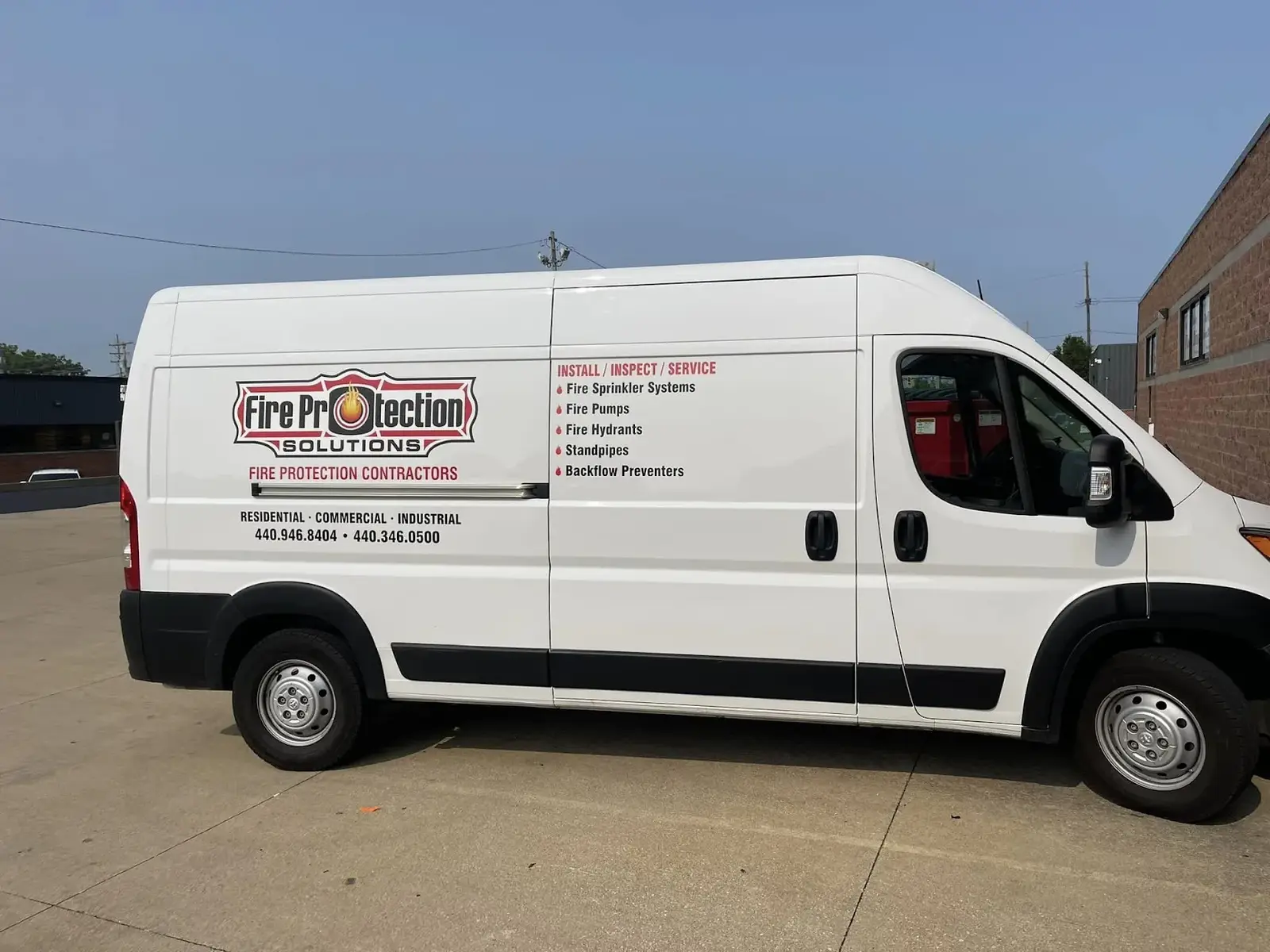
Euclid earned its place in Northeast Ohio as a manufacturing city, and that legacy is still visible in the plants, machine shops, and warehouses lining the St. Clair Avenue and Lakeland Boulevard corridors. Industrial buildings concentrate fire risk in ways offices never do: combustible processes, dense storage, big open floors, and equipment that runs around the clock. The fire protection systems guarding them are correspondingly serious, and they need a contractor comfortable at industrial scale. Fire Protection Solutions services Euclid’s heavy commercial stock with NFPA-certified technicians dispatched from our Mentor headquarters.
St. Clair, Lakeland Boulevard, and the Working Corridors
The industrial strips paralleling the lakeshore and Interstate 90 hold Euclid’s densest concentration of sprinklered buildings, many dating to the mid-twentieth century. Systems of that vintage were often well built and are still serviceable, but they demand real inspection discipline: internal pipe assessments on NFPA 25 cycles, valve exercising, obstruction investigations where flow has degraded, and honest evaluation of whether original design densities still match today’s occupancy. We inspect these systems as engineers of record once intended, not as a tag-and-run formality.
Pumps, Hydrants, and the Water Behind the System
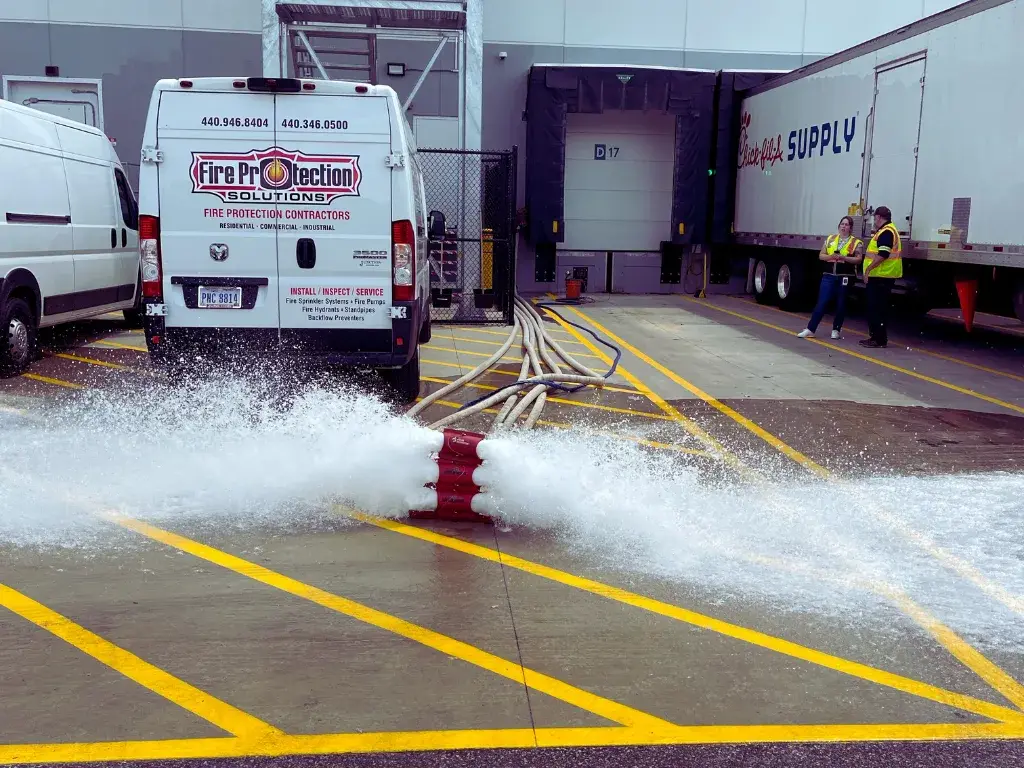
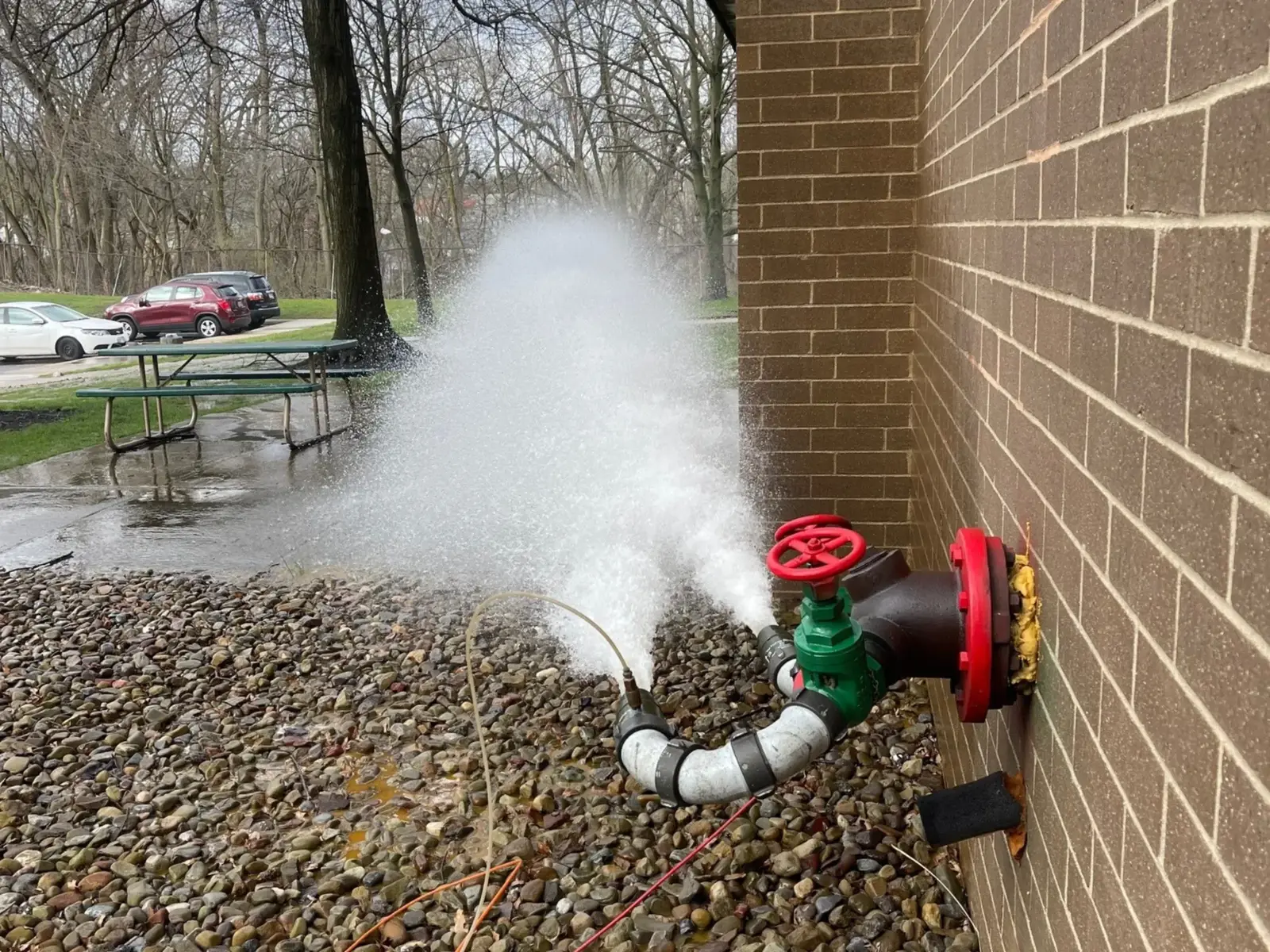
Industrial sprinkler demand frequently exceeds what street pressure alone delivers, which is why fire pumps are common in Euclid’s plants and warehouses. Annual testing verifies each pump against its NFPA 20 rated performance, from churn through peak load, with results documented for your insurer and the fire authority. Site hydrants need flushing and flow testing on NFPA 25 intervals, and backflow preventers on fire lines need annual certification to protect the public water supply. We handle the entire water train, so responsibility for it never fragments across vendors.
When Your Storage Changes, Your Risk Changes
Inner-ring industrial space turns over, and Euclid buildings regularly shift from one tenant’s commodity profile to another. A sprinkler system designed decades ago for metal parts storage may be undersized the day someone racks plastics to the ceiling under it. Part of our job is catching that mismatch: we compare the system’s design basis against what is actually on the floor and give owners a plain-language verdict. Sometimes the answer is reassurance. Sometimes it is a needed upgrade. Either way, you hear it before an underwriter or a fire does.
Cold Buildings, Old Envelopes, and Lake Erie Winters
Euclid’s lakefront winters put freeze stress on exactly the buildings that dominate the city: large, partially heated industrial boxes with aging envelopes. Dry-pipe systems protecting unheated warehouse sections, pump rooms on exterior walls, and backflow assemblies in pits or enclosures all need pre-winter verification. Our cold-weather service confirms drainage, air pressure, and heat before the lake-effect season starts, and our emergency line at 440-664-3639 answers 24/7 when winter wins anyway. Request a free inspection through the form above and put an industrial-grade fire protection partner on your Euclid facility.
One Report for the Plant Manager and the Underwriter
Industrial fire protection generates paperwork for two very different readers. The plant manager needs a practical punch list: what passed, what failed, what gets fixed on which shift. The insurance underwriter and the fire authority need formal test records proving every system met its NFPA benchmark on schedule. Our Euclid reports serve both without translation: plain-language findings and priorities up front, full test data and certifications behind them. When your carrier’s loss control engineer visits, the file answers their questions before they ask. When a deficiency needs capital budget, the report gives you the documentation to justify it internally. Fire protection that is well documented is fire protection that actually gets funded, maintained, and trusted, and after nearly three decades in this trade we write reports accordingly.